
Discover Tavira, Portugal – a historic Algarve town by the Ria Formosa with beaches, salt pans, Mediterranean cuisine, and unforgettable things to do
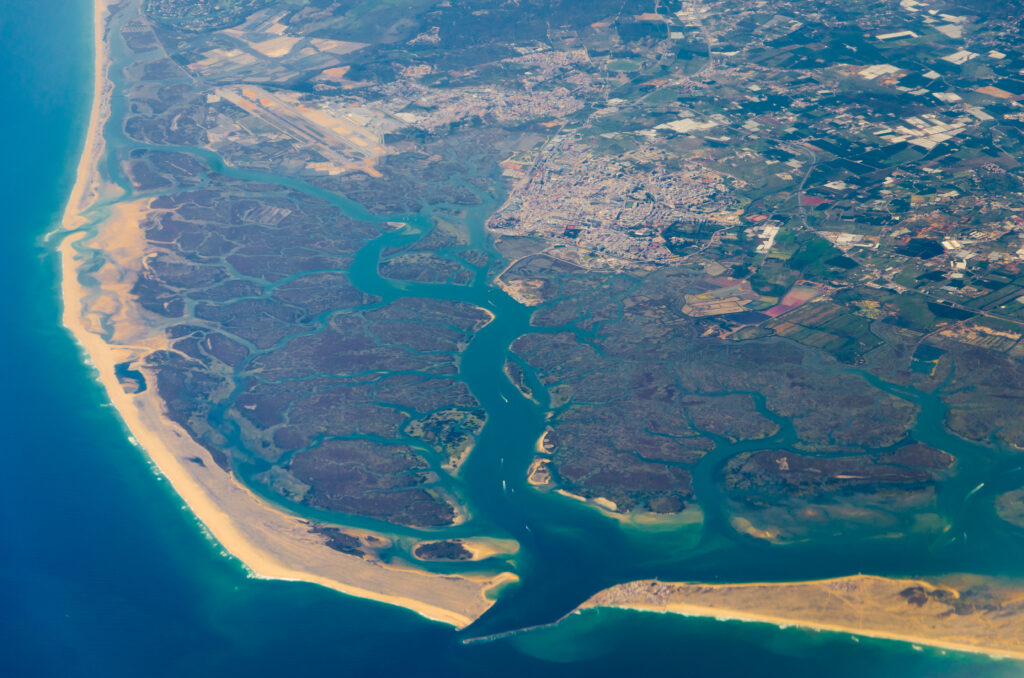
Tavira is one of the Algarve’s most graceful towns, straddling the Gilão River as it flows into the Ria Formosa Natural Park. Known for whitewashed houses, rooftop chimneys, and a postcard-perfect old town, Tavira blends coastal serenity with a strong sense of heritage. With ferry access to Ilha de Tavira and calm canals lined by salt pans and marshes, it’s a dream base for travelers seeking beaches, culture, birdwatching, and authentic Algarvian life.
1. History and Heritage
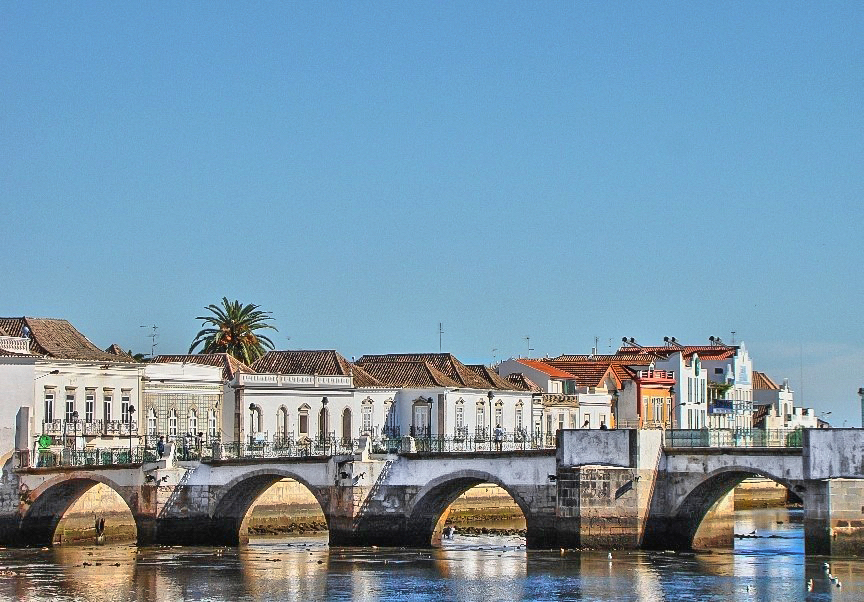
Settled since Phoenician and Roman times and shaped by Moorish rule, Tavira flourished as a river port and fishing center. Stroll the castle ruins and ramparts for views over terracotta roofs, visit Igreja da Misericórdia with its blue-and-white azulejos, and cross the famed Ponte Romana pedestrian bridge. The former water tower hosts a Camera Obscura offering a live panoramic tour of the town. Historic tuna fishing and salt production left a lasting imprint on local identity and architecture.
2. People, Pace, and Demographics
Tavira counts roughly 27–28,000 residents across the municipality and keeps a slower, more traditional rhythm than busier Algarve resorts. You’ll find year-round markets, family-run restaurants, and a welcoming community that embraces sustainable tourism. English is widely understood, yet Portuguese culture sets the tone: morning espresso at the praça, riverside walks at sunset, and seasonal festivities tied to the sea and countryside.
3. Culture, Cuisine, and Mediterranean Roots
Tavira is Portugal’s representative community for the UNESCO-recognized Mediterranean Diet, celebrated annually with cultural and gastronomic events. Expect menus rich in fresh seafood, octopus from Santa Luzia, tuna traditions, local flower of salt (flor de sal), and olive oil. The riverside Mercado da Ribeira hosts artisans and pop-ups, while churches and galleries stage exhibitions and fado evenings. The result is a refined yet down-to-earth cultural scene perfect for slow travel.
4. Best Beaches and Things to Do in Tavira
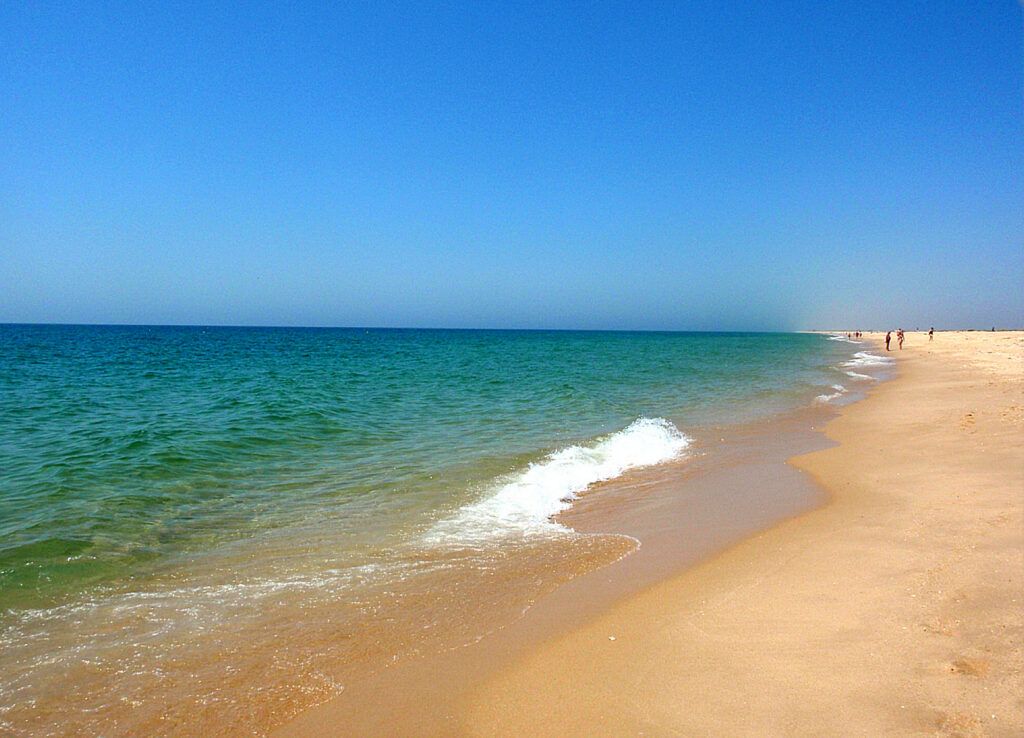
Take the ferry or water taxi to Ilha de Tavira for miles of soft sand and crystalline water; don’t miss Praia do Barril and its photogenic Anchor Cemetery. Explore the Ria Formosa by boat or kayak for birdwatching (flamingos, spoonbills, egrets) and salt-pan sunsets. Wander the old town’s lanes, climb to the castle gardens, and visit nearby Santa Luzia (the “octopus capital”). Family-friendly highlights include gentle beaches, easy boardwalks, and eco-tours that reveal the lagoon’s wildlife and traditional salt-harvesting.
5. Modern Tavira – Nature, Sustainability, and Easy Access
Tavira champions eco-friendly travel with protected wetlands, walking and cycling routes, and regulated access to sensitive lagoon areas. Boutique hotels and guesthouses occupy restored townhouses, while beach restaurants keep a low-impact footprint on the barrier island. With rail links to Faro and Vila Real de Santo António, plus quick drives to Cacela Velha and the Eastern Algarve golf courses, Tavira offers a calm, connected base for couples, families, and nature lovers.