
Explore Portugal’s Costa Vicentina—wild Atlantic beaches, surf, Rota Vicentina trails, fishing villages, and sustainable travel along the Algarve & Alentejo coast
The Costa Vicentina, stretching from Cabo de S. Vicente in the Algarve up through the Alentejo coast, is Portugal’s wild Atlantic frontier. Protected by the Parque Natural do Sudoeste Alentejano e Costa Vicentina, this coastline blends rugged cliffs, dune systems, and vast sandy beaches with small fishing villages and whitewashed towns. It’s a paradise for travelers seeking untamed scenery, surf, hiking, wildlife, and slow, sustainable tourism far from mass-market resorts.
1. Geography, Heritage, and Character
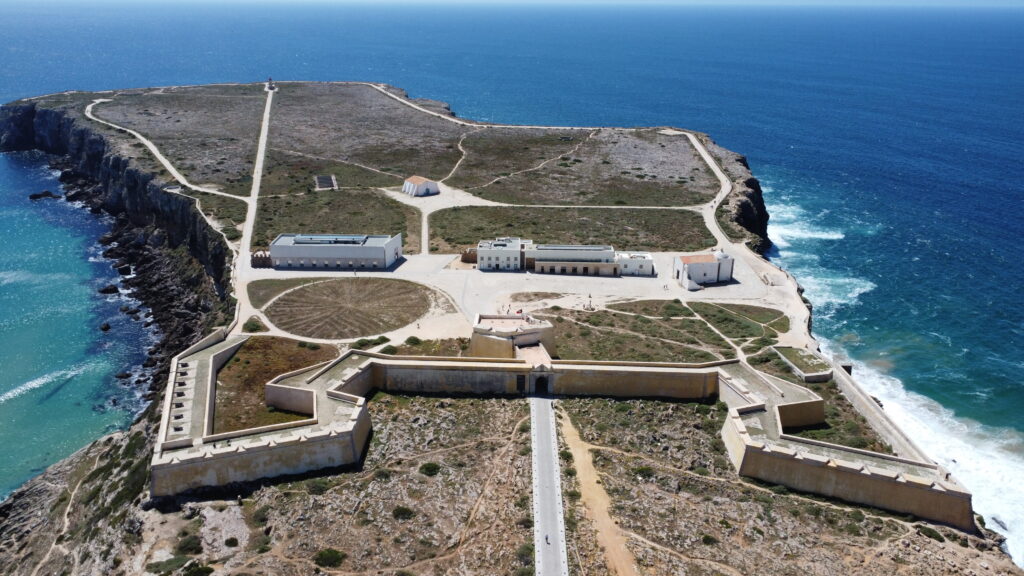
Shaped by wind and waves, the Costa Vicentina is defined by dramatic headlands, estuaries, and untouched coves. Historic forts and lighthouses—like the iconic Cabo de S. Vicente near Sagres—guard the headlands and tell stories of navigation and defense. Inland, cork oak forests, wildflower meadows, and traditional farms form a timeless rural backdrop. The region spans both Algarve (Vila do Bispo, Aljezur) and Alentejo (Odemira, Sines) municipalities, preserving a strong maritime and agricultural identity.
2. Towns, Villages, and Local Life
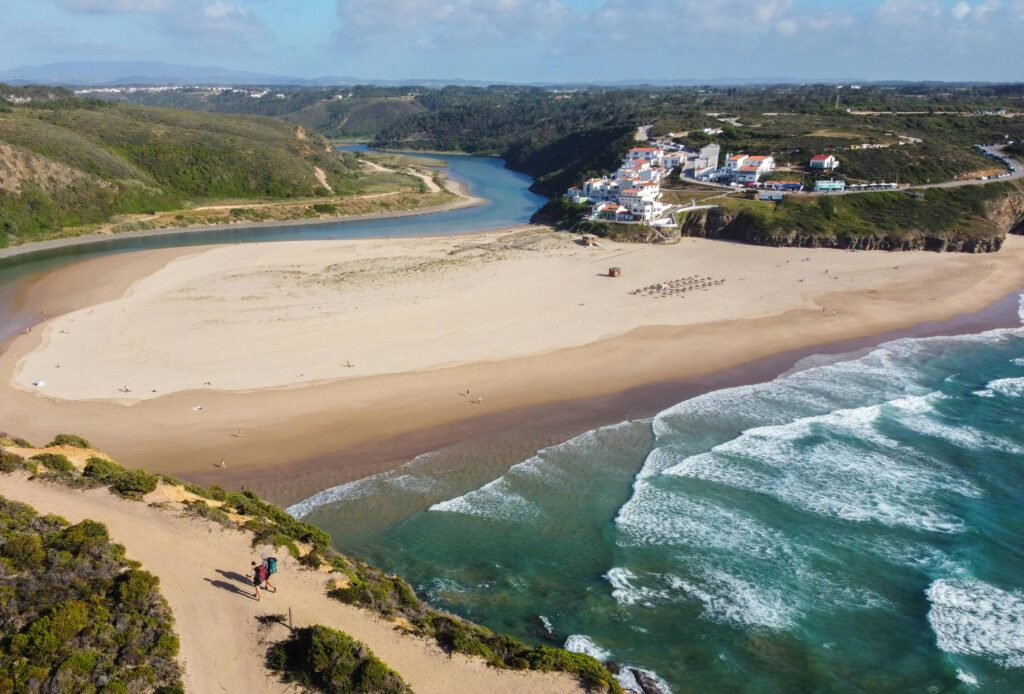
Base yourself in surf-friendly Sagres and Carrapateira, cliff-top Aljezur (with its Moorish castle), beach hamlets like Arrifana, Amado, Bordeira, and family-friendly Monte Clérigo. Farther north, discover Odeceixe (with its river-beach combo) and festival-famous Zambujeira do Mar. Communities are small and welcoming, with seasonal rhythms tied to fishing, farming, and the ocean. Expect weekly markets, artisanal bakeries, and cafés serving espresso to hikers, surfers, and locals alike.
3. Culture, Food, and Nature
The west coast cuisine champions Atlantic seafood—percebes (goose barnacles), grilled sea bream/sea bass, octopus, and cataplana—alongside Alentejo breads, goat and sheep cheeses, black pork, honey, and regional wines. Culture leans outdoors: surf shacks, craft ateliers, and summer village festivals. Nature lovers flock for bird migration, sealife sightings, and spring wildflower blooms across the dunes and cliffs. Conservation and low-impact travel are part of daily life, reinforced by the park’s protections.
4. Best Beaches and Things to Do on the Costa Vicentina
- Surf & Lessons: World-class waves at Arrifana, Amado, Cordoama, Tonel, and Beliche with surf schools for all levels.
- Rota Vicentina Hiking: Tackle the Fishermen’s Trail along sea cliffs or the inland Historical Way through forests and valleys.
- Beaches & Viewpoints: Bordeira’s sweeping sands and dunes, family-friendly Monte Clérigo, river-kissed Odeceixe, and panoramic sunsets at Cabo de S. Vicente.
- Kayak & SUP: Explore sea caves and calm river mouths (Odeceixe/Aljezur).
- Wildlife & Stargazing: Birdwatching on migration routes, dune ecosystems, and pristine dark skies for Milky Way views.
- Culture & Day Trips: Sagres Fortress, Aljezur Castle, farm visits, local markets, and coastal photography tours.
5. Practical Tips – Sustainability and When to Go
The Costa Vicentina is protected—stick to marked trails, respect dune fences, and choose eco-minded stays (guesthouses, rural tourism, small hotels). Spring (Mar–May) brings flowers and mild hiking weather; late summer–autumn (Sep–Oct) offers warm seas and fewer crowds; winter is prime for swells and moody seascapes. Renting a car helps you access remote beaches, while trail networks make it easy to explore on foot. Book surf lessons, guided hikes, or dolphin/bird tours with licensed local operators to support the community.